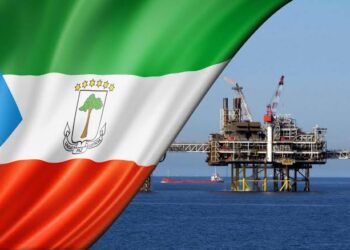












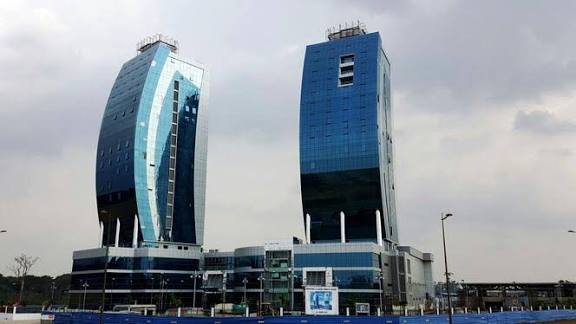
Equatorial Guinea has officially relocated its capital from Malabo to Ciudad de La Paz, following a presidential decree that formalizes a plan more than two decades in the making.
The capital had long been located on Bioko Island, geographically separated from the mainland where the majority of the country’s territory lies. Authorities say the relocation is intended to improve administrative efficiency, national integration, and strategic governance, by placing the seat of power closer to the country’s demographic and geographic centre.
President Teodoro Obiang Nguema Mbasogo cited strategic considerations as the primary motivation for the move. Government officials have also pointed to the rapid urban expansion of Malabo, which has placed increasing pressure on infrastructure and public services, as another key factor behind the decision.
By situating the capital in the heart of the mainland’s equatorial forest, the government says it hopes to promote balanced national development, reduce regional disparities, and improve access to state institutions for citizens across the country.
Under the terms of the decree, presidential services, government ministries, public agencies, and state-owned enterprises are expected to begin relocating from Malabo to Ciudad de La Paz within one year. The phased transition is presented as a measure to ensure continuity of governance and institutional stability.
While the decree does not specify whether foreign embassies will also relocate, analysts say the move reflects broader debates in Africa about decentralisation, long-term urban planning, and accountable governance, particularly in countries seeking to modernise state administration.
Authorities maintain that the relocation is part of a wider vision to strengthen state institutions and adapt governance structures to the country’s evolving social and economic realities.