













Baoro, in western CAR about 200 kilometers from the Cameroon border, hosts a school canteen program funded by the World Food Programme (WFP) in partnership with the Central African government.
In these primary schools, the canteen is more than a meal; it is a vital tool in the fight against malnutrition in a region grappling with poverty and food insecurity. The program also aims to boost attendance by encouraging parents to send their children to school and by reducing dropout rates.
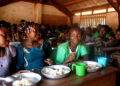
A quiet hall is transformed into a canteen where students sit at neatly aligned bench tables, each with a plate, waiting for their turn. The scene is calm, focused on nourishment and learning.
Voices from the Classroom
Mariano, a CM2 pupil, rises when his name is called, receives his meal, and returns to his seat. “I love the dish we are served at school,” he says. “Before, when I had nothing to eat, I was hungry during classes and I couldn’t concentrate. Now I learn better and I come to school every day.” His sentiment is echoed by peers who describe the canteen as a genuine source of motivation.
For Eliane, a CE2 student, home meals can be scarce. “At home it is hard for us to find something to eat. School is a safe place where I can learn and eat for free. It’s really a source of motivation,” she notes.
A Big Reach and Local Roots
This ambitious program, supported by the WFP and the government, aims to distribute varied school meals to 400,000 children, prepared from local products. Marie-Solange, one of the cooks, observes: “The meals have increased school attendance, especially among girls. It’s a project to sustain because the country’s future depends on the education of our children.”
Rasmus Egendal, former WFP representative who helped launch the project, highlights the broader impact: “Today, more than 230,000 children benefit from school canteens, and it is a ticket to the future. When a child eats at school, they stay in class, they learn, they dream. A meal can mean the difference between giving up and succeeding.”
The program also serves the community. Local farmers supply ingredients, creating jobs and reinforcing resilience. Without this support, thousands of children risk dropping out and families losing stability. Canteens are described as a lifebuoy and a motor of development for tomorrow, with every meal seen as a promise of a better future.
Looking Ahead
Officials from the WFP and the Central African government say the plan is to extend the network of school canteens to all schools across the country in the coming months. The initiative is part of a broader effort to guarantee education for all and to strengthen communities through nutrition, learning, and local economic activity.