




Yaounde welcomed more than 2,000 trade officials and over 80 ministers as at the WTO’s 14th Ministerial Conference (MC14), marking Africa’s second hosting of a WTO Ministerial.
The four-day gathering began amid global tensions but underscored Cameroon’s ability to steer a pivotal moment for the multilateral trading system.
A turning point for the WTO, hosted in Africa
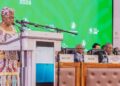
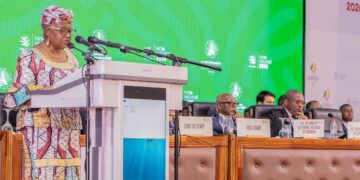
Director-General Ngozi Okonjo-Iweala opened MC14 with a candid assessment of a crisis landscape for world commerce, yet with a clear message of hope. She urged ministers to bridge differences and push forward on core topics, stressing that the world trading system has entered a period of irreversible change. “We cannot deny the scale of the problems confronting the world today. It is no secret that the world trading system is experiencing the worst disruptions in the past 80 years,” she said, adding that the WTO must look ahead while learning from the past.
Cameroon’s leadership and the reform imperative
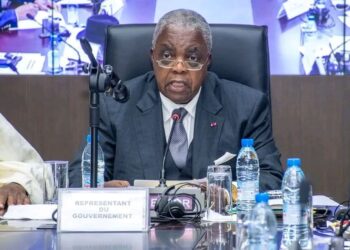
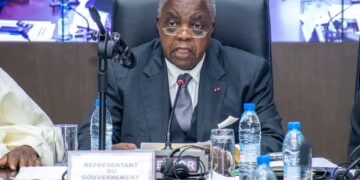
Cameroon’s Minister of Trade and MC14 Chair, Luc Magloire Mbarga Atangana, welcomed attendees by highlighting the WTO’s enduring role in delivering stability, predictability, and growth.
He emphasized that reform is essential to making the organization more agile and capable of addressing today’s fragmentation and shifting trade dynamics. “Reform must lead to a stronger, more effective WTO able to respond to challenges of today and restore confidence in the multilateral trading system,” he declared.
A milestone moment: Fisheries subsidies and a broad agenda
The Opening Session celebrated the entry into force of the Agreement on Fisheries Subsidies, which began to apply on 15 September 2025. With Paraguay, Samoa, and Saint Vincent and the Grenadines joining on 26 March, 119 WTO members have formally accepted the agreement. The session also featured a standout intervention from Türkiye’s Minister of Trade Ömer Bolat, signaling support for incorporating the Investment Facilitation for Development Agreement into the WTO framework as a plurilateral.
The four-day program and what was at stake
DG Okonjo-Iweala outlined a demanding work plan, including advancing WTO reform discussions, shaping e-commerce rules, extending the e-commerce moratorium on customs duties, negotiating agriculture trade solutions post-MC14, and integrating more least developed countries into the multilateral system. She warned of a “turning point” in which ministers must decide whether to sustain the organization or risk its drift. Yet she closed with a note of optimism, urging participants to “face forward” and deliver tangible results.
Why Yaoundé’s hosting matters
It showcases Africa’s central role in global trade policy and its capacity to lead high-stakes negotiations, demonstrates Cameroon’s organizational strength in coordinating a major international event amid a crisis-ridden global environment and signals the WTO’s readiness to reform, adapt, and respond to contemporary challenges, including effects on LDCs.
Outlook
As MC14 unfolded, observers watched whether ministers translate talks into concrete reforms that reinforce the WTO’s relevance in times of crisis. Yaoundé’s successful hosting sets a high bar for momentum, signalling that the WTO can endure, adapt, and deliver meaningful results for a changing global economy.