



The Central African Republic (CAR) has taken several positive institutional steps as it prepares for the December 28 presidential election, reinforcing its commitment to democratic processes despite ongoing security and political challenges.
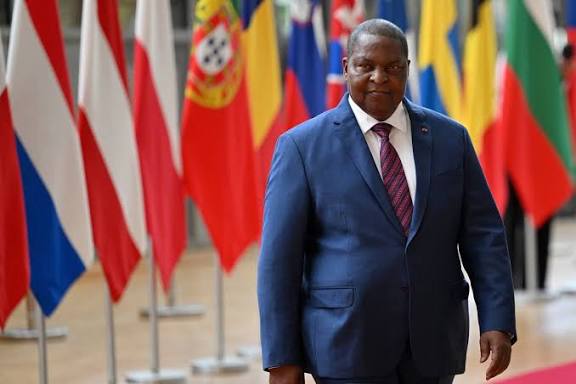
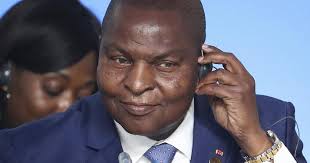
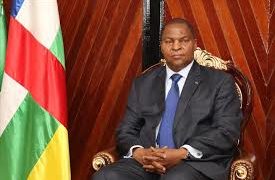
In a major boost to the electoral calendar, the constitutional court has officially validated the candidacy of President Faustin-Archange Touadera, allowing him to contest the upcoming vote. The court also approved opposition leader Anicet Georges Dologuélé along with five other candidates, ensuring a competitive and pluralistic race. The swift handling of petitions—such as the recent attempt to block Touadera’s candidacy—demonstrates the judiciary’s active role in safeguarding constitutional order.
This comes at a time when CAR continues to stabilize after years of conflict. Government authorities are working closely with security partners to secure the electoral environment. On the same day the candidacies were validated, the United Nations Security Council extended the mandate of MINUSCA, the UN peacekeeping mission, by one year—an important reinforcement for the country’s security architecture ahead of the polls.
Despite ongoing debates surrounding the nature of international military support—particularly the transition between Wagner forces and Russia’s state-run Africa Corps—the government has maintained a firm diplomatic posture, prioritizing national security, sovereignty, and continuity ahead of elections. CAR’s leadership continues to coordinate with partners to ensure that security measures remain effective, especially in areas vulnerable to rebel activity.